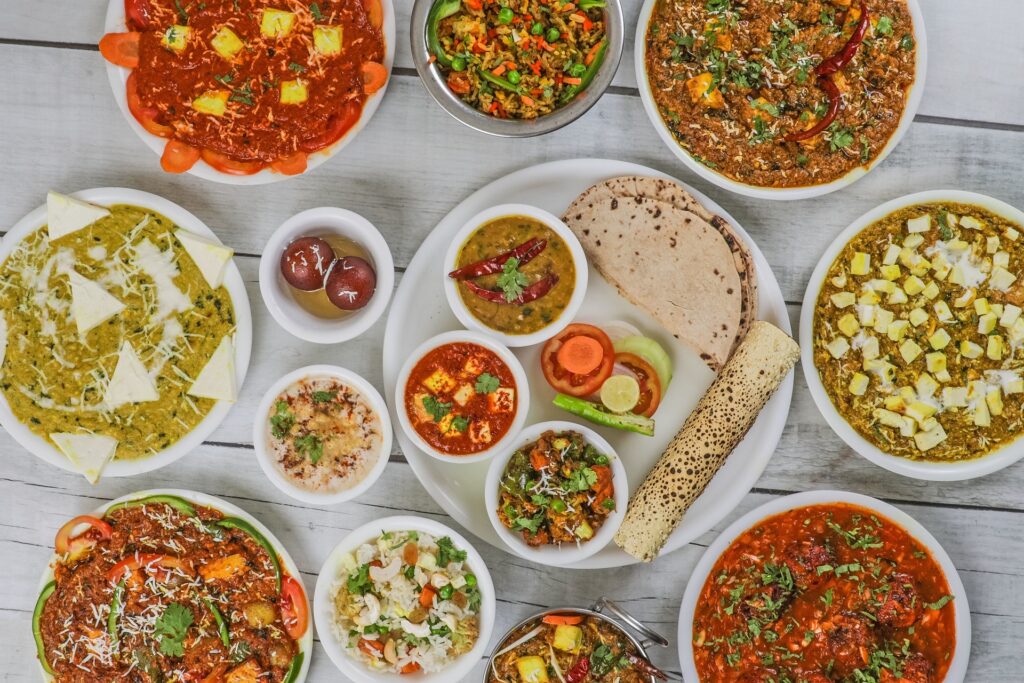
Longevity isn’t just about adding years to your life; it’s about living those years in good health, with vitality and energy. One of the most powerful ways to achieve this is through nutrition, and India’s rich culinary heritage offers a treasure trove of foods that can support long, healthy living. Rooted in traditional practices, these foods are not only delicious but are also packed with nutrients that promote overall well-being. Let’s dive into the nutritional keys to longevity and discover some of the top Indian foods that can enhance your health.
The Science of Longevity and Nutrition
Before exploring specific foods, it’s important to understand the link between nutrition and longevity. The Mediterranean and Okinawan diets are often highlighted as models for long life, but Indian cuisine, when prepared healthfully, can be equally powerful. Diets rich in antioxidants, anti-inflammatory compounds, healthy fats, and plant-based proteins are known to support cellular health, reduce the risk of chronic diseases, and boost immunity—all crucial factors in promoting longevity.
Incorporating a balanced diet with diverse nutrients ensures that your body gets the tools it needs to repair damage, fight off diseases, and maintain optimal function. Indian foods, especially those rooted in traditional diets, align beautifully with these principles.
1. Turmeric: The Golden Elixir
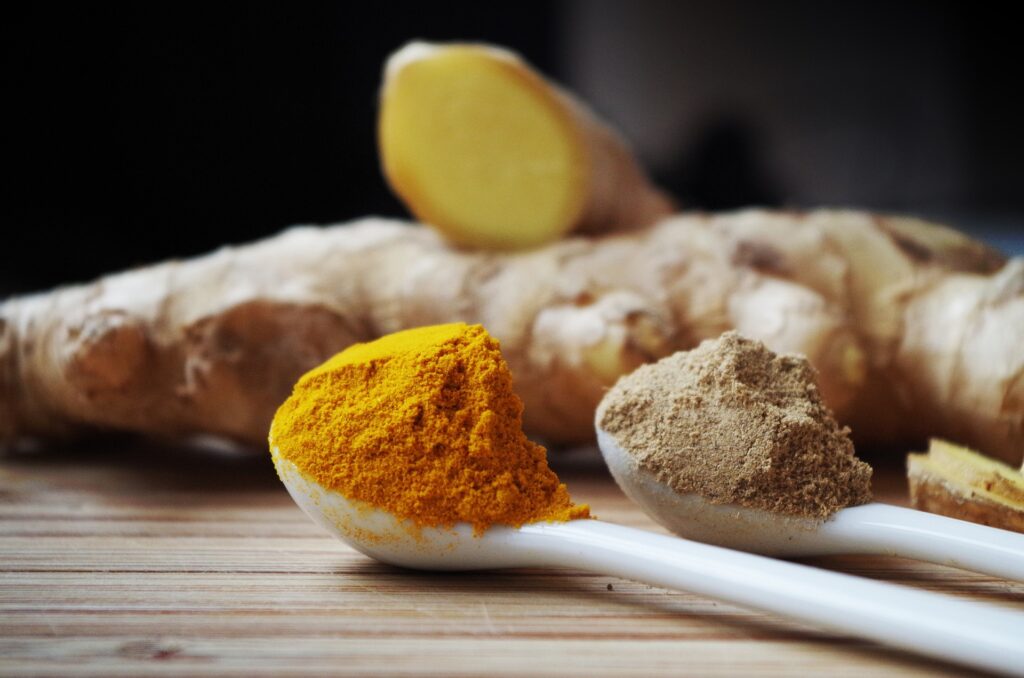
Turmeric is often hailed as a superfood, and for good reason. Its active compound, curcumin, is a potent anti-inflammatory and antioxidant agent. These properties help combat oxidative stress, a key factor in aging and chronic diseases such as heart disease and cancer.
How to incorporate it:
- Add a pinch of turmeric to your daily meals, such as curries, soups, and rice dishes.
- Brew a cup of turmeric milk (haldi doodh) as a soothing evening drink.
- Combine turmeric with black pepper to enhance its absorption in the body.
2. Amla (Indian Gooseberry): The Vitamin C Powerhouse
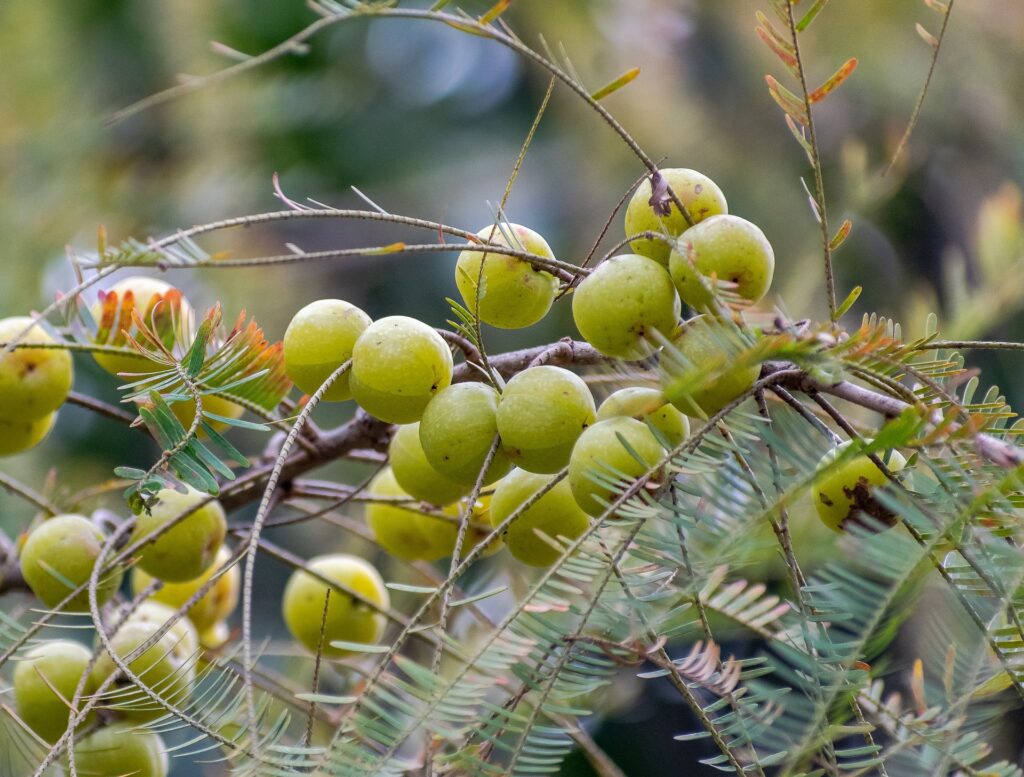
Amla is a revered fruit in Ayurveda, celebrated for its high vitamin C content and antioxidant properties. It supports immune function, improves skin health, and aids digestion. Regular consumption of amla is believed to slow the aging process and enhance vitality.
How to incorporate it:
- Enjoy fresh amla as a snack or juice it for a refreshing drink.
- Include amla powder in smoothies or mix it with water and honey for a morning tonic.
- Use amla in traditional recipes like murabba (sweet preserve).
3. Millets: The Ancient Grains

Millets such as ragi (finger millet), jowar (sorghum), and bajra (pearl millet) are nutrient-dense grains that have been a staple in Indian diets for centuries. They are rich in fiber, essential minerals, and complex carbohydrates, promoting sustained energy and digestive health.
How to incorporate them:
- Replace refined grains with millets in rotis, dosas, or upma.
- Prepare porridge with ragi for a wholesome breakfast.
- Experiment with millet-based salads and pilafs.
4. Leafy Greens: A Nutritional Powerhouse
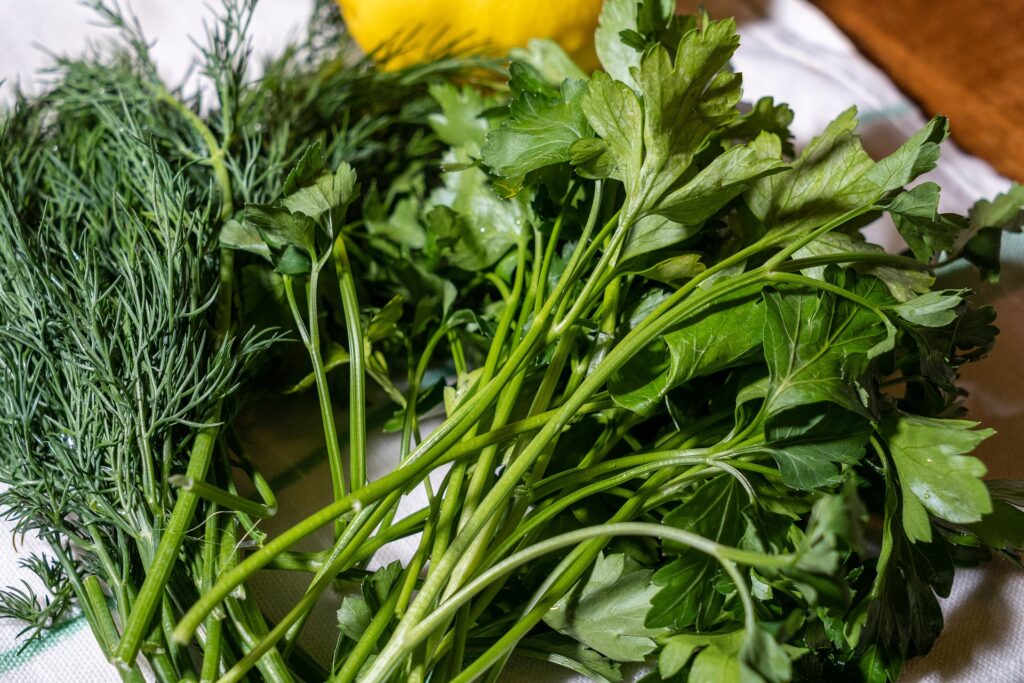
Indian cuisine features an array of leafy greens like spinach (palak), fenugreek (methi), drumstick leaves (moringa), and amaranth. These greens are packed with vitamins, minerals, and antioxidants that support bone health, heart health, and cognitive function.
How to incorporate them:
- Sauté greens with garlic and spices for a quick side dish.
- Add greens to dals, curries, and parathas.
- Use drumstick leaves in soups or stews for an added nutrient boost.
5. Nuts and Seeds: Tiny Packages of Energy
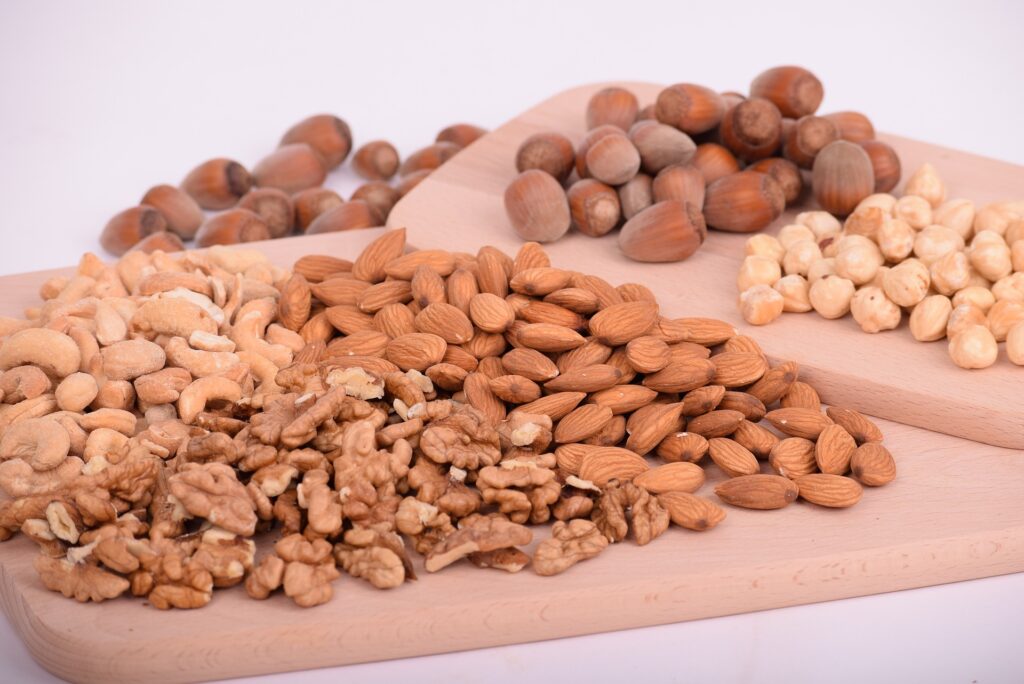
Almonds, walnuts, flaxseeds, and chia seeds are nutritional powerhouses rich in healthy fats, protein, and micronutrients. They support heart health, brain function, and skin vitality, making them an essential part of a longevity-focused diet.
How to incorporate them:
- Snack on a handful of mixed nuts daily.
- Sprinkle flaxseeds or chia seeds over smoothies, yogurt, or salads.
- Use almond or walnut paste to enrich curries.
6. Lentils and Legumes: Plant-Based Protein Heroes
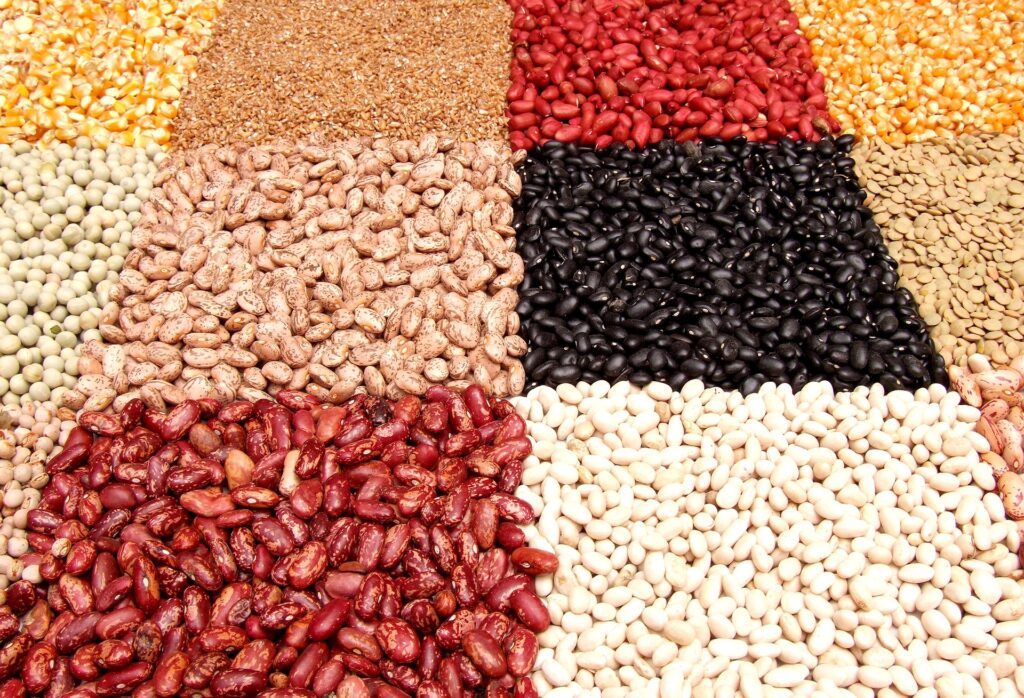
Indian diets are abundant in lentils and legumes, such as masoor dal, moong dal, chickpeas, and kidney beans. These are excellent sources of plant-based protein, fiber, and essential nutrients like iron and folate.
How to incorporate them:
- Prepare dal soups or stews with your favorite lentils.
- Make chana masala or rajma curry for a hearty main course.
- Use sprouted legumes in salads and stir-fries for added nutrition.
7. Coconut: A Versatile Superfood
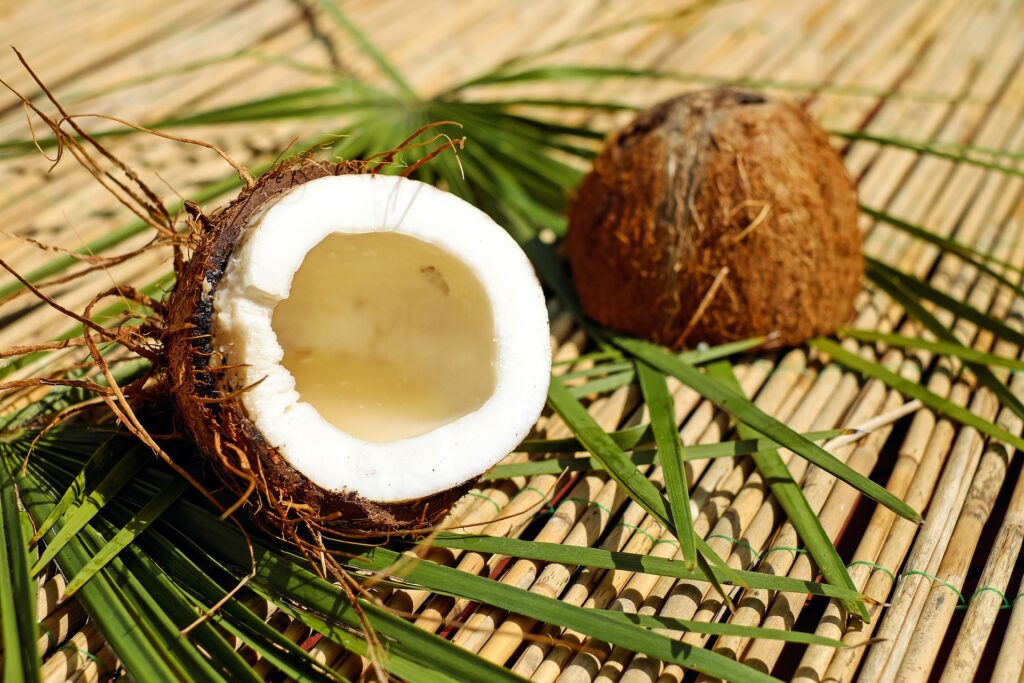
Coconut, in its various forms (oil, milk, water, and flesh), is a staple in many regional Indian cuisines. It provides healthy fats, electrolytes, and antimicrobial properties that support digestion, hydration, and overall health.
How to incorporate it:
- Use coconut milk in curries and soups for a creamy texture.
- Drink fresh coconut water as a natural electrolyte-rich beverage.
- Include grated coconut in chutneys, desserts, or savory dishes.
8. Spices: Nature’s Medicine Cabinet
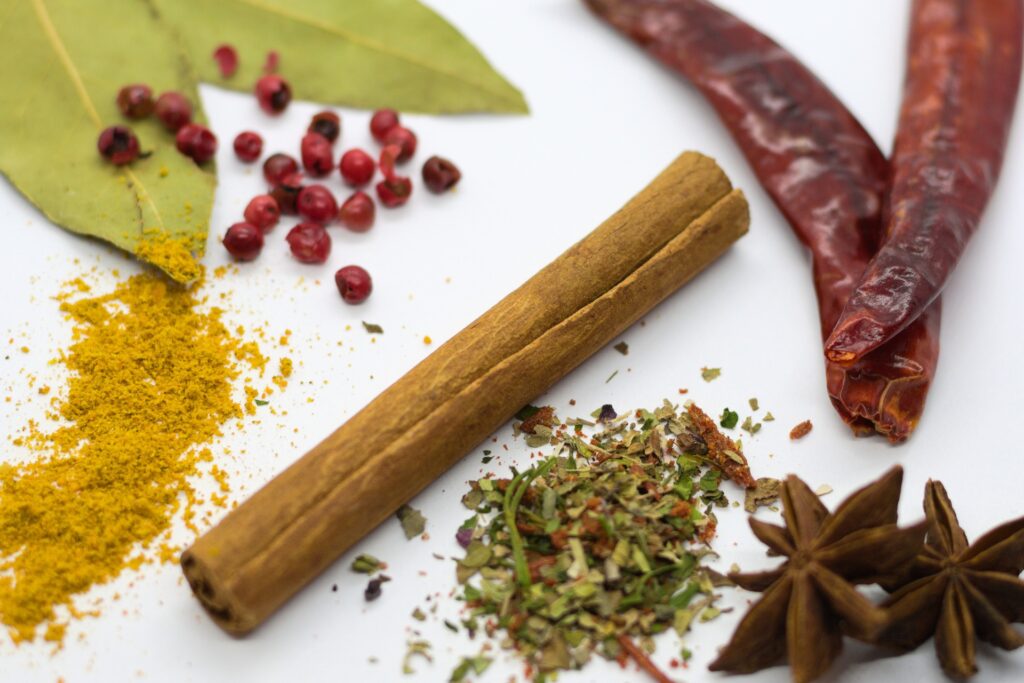
Indian spices like cumin, coriander, cardamom, cinnamon, and fenugreek do more than enhance flavor—they offer numerous health benefits. These spices improve digestion, regulate blood sugar, and have anti-inflammatory properties.
How to incorporate them:
- Use a variety of spices in everyday cooking to season vegetables, meats, and grains.
- Brew spiced teas with cinnamon, cardamom, and ginger.
- Experiment with spice blends like garam masala or sambar powder for traditional flavors.
9. Yogurt and Fermented Foods: Gut-Friendly Choices
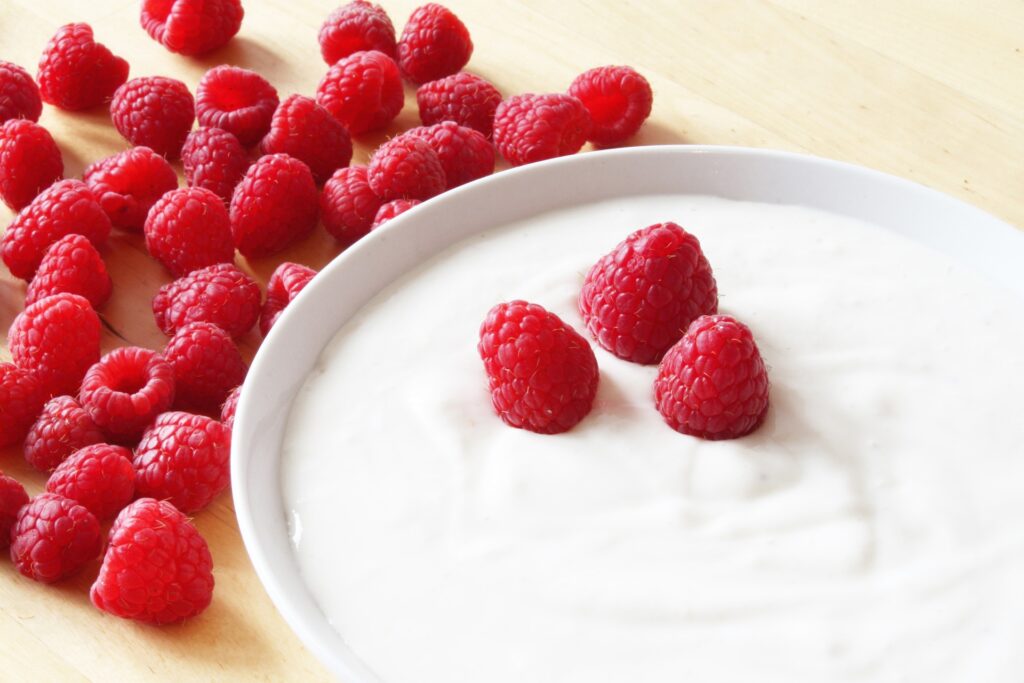
A healthy gut is the cornerstone of overall well-being, and fermented foods like yogurt (dahi), idli, dosa, and kanji provide beneficial probiotics. These foods improve digestion, enhance nutrient absorption, and strengthen immunity.
How to incorporate them:
- Enjoy a bowl of yogurt with fresh fruit or spices.
- Include fermented staples like idli and dosa in your meals.
- Drink fermented beverages like kanji or buttermilk (chaas) for gut health.
10. Seasonal Fruits: Nature’s Nutrient Boosters

India’s diverse climate offers an array of seasonal fruits like mangoes, papayas, guavas, and pomegranates. These fruits are rich in vitamins, antioxidants, and natural sugars that provide energy and support cellular health.
How to incorporate them:
- Eat fresh seasonal fruits as snacks or desserts.
- Blend them into smoothies or juices.
- Add fruits to salads for a burst of flavor and nutrition.
Tips for Maximizing Longevity Through Indian Foods
- Practice Portion Control: Even nutrient-rich foods can lead to weight gain and associated health issues if consumed in excess.
- Choose Whole, Unprocessed Foods: Minimize the use of refined sugars, oils, and grains. Opt for traditional cooking methods that preserve nutrients.
- Stay Hydrated: Drink plenty of water, herbal teas, and natural beverages like coconut water to support overall health.
- Balance Your Plate: Include a mix of carbohydrates, proteins, healthy fats, and vegetables in every meal.
- Embrace Mindful Eating: Pay attention to hunger and fullness cues, and savor your meals without distractions.
Conclusion
Indian cuisine, with its vibrant flavors and nutrient-rich ingredients, is a powerful ally in the pursuit of longevity. By embracing traditional foods and mindful eating habits, you can nourish your body, mind, and spirit, paving the way for a long and healthy life. Remember, the key to longevity lies not just in what you eat but in how you approach food—with gratitude, balance, and an appreciation for the nourishment it provides.