Diabetes affects millions of people worldwide, with rising cases attributed to lifestyle changes and dietary habits. However, recent research and evidence-based strategies suggest that diabetes, particularly Type 2, can be reversed or significantly managed through lifestyle modifications. This article explores a detailed approach to reversing diabetes, focusing on healthy eating, physical activity, and an Indian meal plan tailored to support blood sugar control.
Understanding Diabetes
Before diving into strategies to reverse diabetes, it’s essential to understand how the condition affects the body.
- What is Diabetes? Diabetes is a chronic condition where the body either does not produce enough insulin or cannot effectively use the insulin it produces. This leads to elevated blood sugar levels, which can result in complications such as heart disease, kidney damage, and neuropathy.
- Types of Diabetes:
- Type 1 Diabetes: An autoimmune condition where the body does not produce insulin.
- Type 2 Diabetes: A lifestyle-related condition marked by insulin resistance.
- Prediabetes: A precursor to Type 2 diabetes where blood sugar levels are elevated but not yet in the diabetic range.
The focus here is on reversing Type 2 diabetes and prediabetes through a holistic lifestyle approach.
Step-by-Step Guide to Reversing Diabetes
1. Consult a Healthcare Professional

Begin by consulting an endocrinologist or diabetes specialist who can assess your condition through tests such as fasting blood glucose, HbA1c, and oral glucose tolerance. A healthcare provider can design a personalized plan tailored to your needs.
2. Adopt a Balanced Diet
Diet plays a crucial role in managing and reversing diabetes. A traditional Indian diet, rich in whole foods and balanced macronutrients, can support blood sugar control.
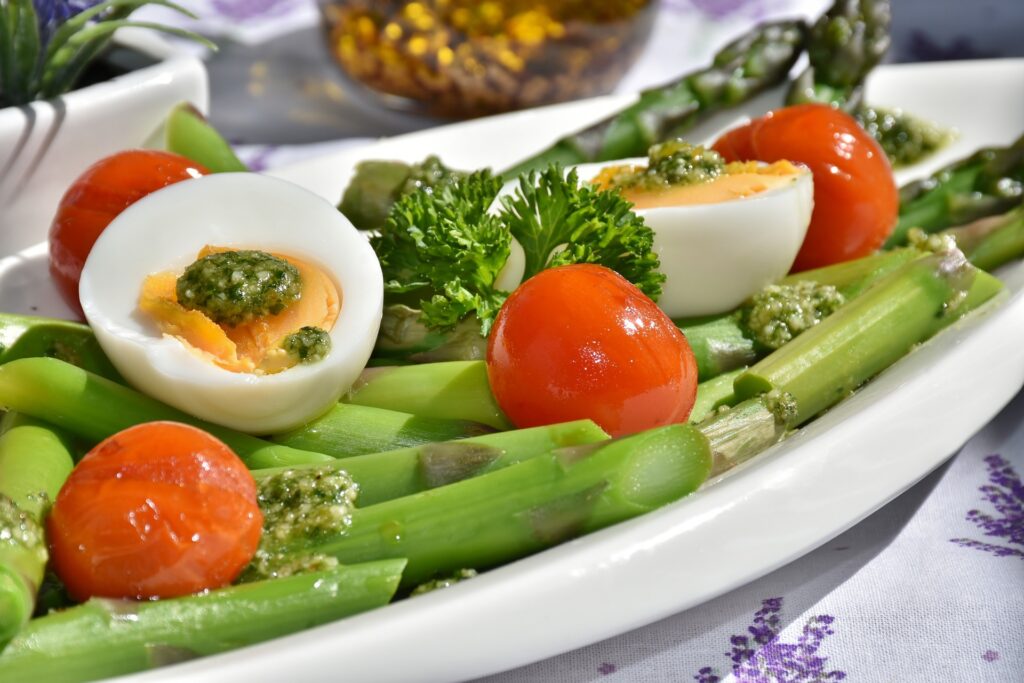
Foods to Include:
- Vegetables: Leafy greens, okra, brinjal, and bitter gourd.
- Whole Grains: Millet, brown rice, and multigrain atta.
- Proteins: Lentils, beans, paneer, fish, and eggs.
- Healthy Fats: Nuts, seeds, coconut oil, and mustard oil.
- Spices: Turmeric, cinnamon, fenugreek, and cumin for their anti-inflammatory and blood sugar-lowering properties.
Foods to Avoid:
- Refined sugars, white bread, fried snacks, and sugary beverages.
3. Control Portion Sizes
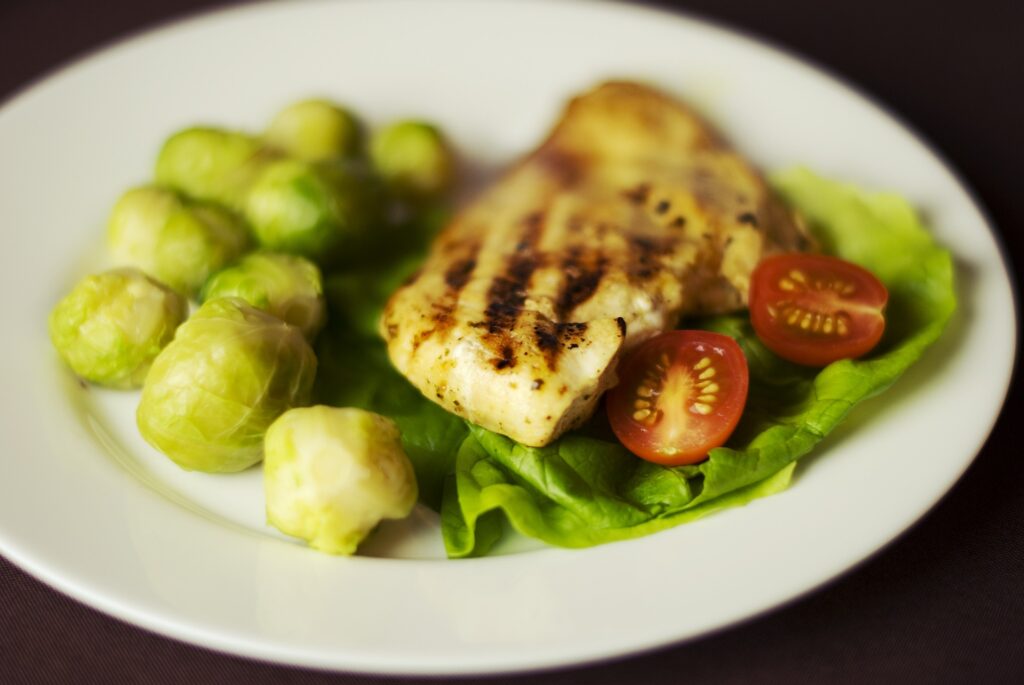
Portion control is essential to prevent overeating and manage calorie intake.
Tips for Portion Control:
- Use smaller plates.
- Practice mindful eating.
- Follow the har ka thoda principle—eating small portions at regular intervals.
4. Incorporate an Indian Meal Plan for Diabetes

Here’s a sample Indian meal plan tailored for diabetes management:
- Morning: Warm water with lemon and a teaspoon of soaked fenugreek seeds.
- Breakfast: 2 vegetable-stuffed rotis with curd or moong dal chilla with mint chutney.
- Mid-Morning Snack: A handful of roasted nuts or a small bowl of sprouts.
- Lunch: 1 multigrain roti, a cup of brown rice, dal, a vegetable curry (like bitter gourd or spinach), and salad.
- Evening Snack: 1 cup masala chai (without sugar) and roasted makhana or chana.
- Dinner: Grilled fish or paneer tikka with sautéed vegetables.
- Bedtime: A glass of warm turmeric milk.
This plan focuses on low-glycemic index foods, balanced macros, and high fiber to keep blood sugar levels stable.
5. Stay Physically Active
Exercise helps improve insulin sensitivity and supports weight management.

Recommended Activities:
- Brisk walking for 30 minutes daily.
- Yoga poses like Surya Namaskar or Trikonasana to improve circulation and digestion.
- Strength training exercises twice a week to maintain muscle mass.
6. Manage Stress and Sleep
Stress and poor sleep are linked to increased blood sugar levels and insulin resistance.

Stress Management Techniques:
- Practice mindfulness meditation or deep breathing.
- Engage in hobbies or leisure activities.
Improve Sleep:
- Maintain a consistent sleep schedule.
- Avoid screens and caffeine before bedtime.
7. Regular Monitoring and Adjustments
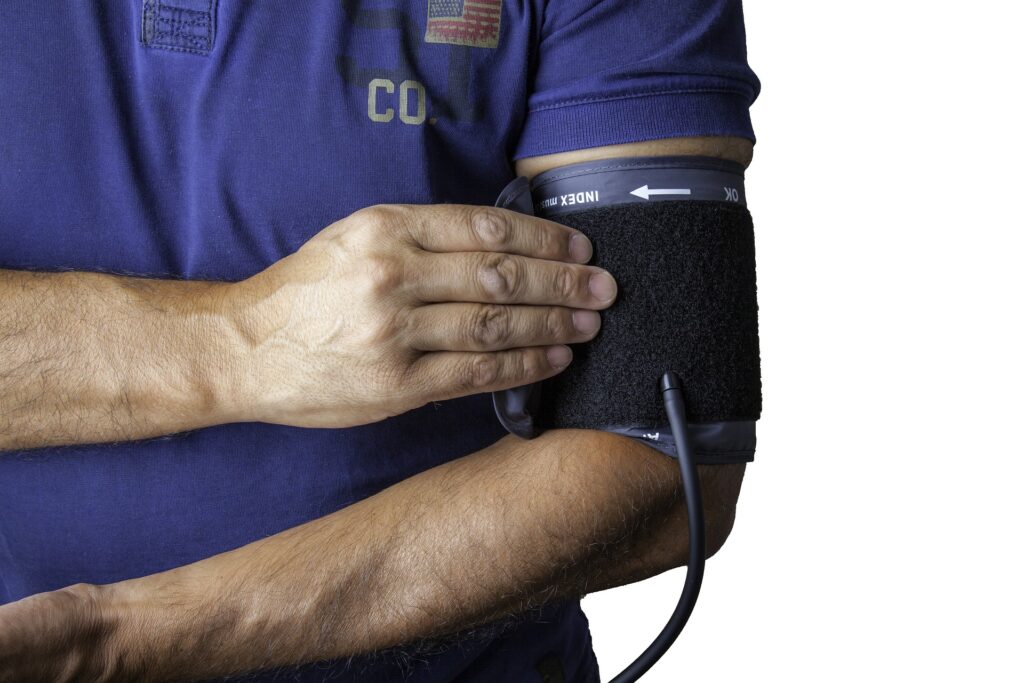
Use a glucometer to track your blood sugar levels and maintain a log. Regular monitoring helps identify patterns and assess the effectiveness of your lifestyle changes.
Why Choose an Indian Meal Plan for Reversing Diabetes?
Indian meals are naturally rich in complex carbohydrates, fiber, and antioxidants. Spices like turmeric and fenugreek add therapeutic value, helping to lower inflammation and improve insulin sensitivity. The variety of vegetarian and non-vegetarian options also caters to diverse dietary preferences.
The Role of Consistency in Diabetes Reversal
Consistency is key to seeing results. It’s not about a short-term diet but a sustainable lifestyle change. Gradually incorporating healthy habits can lead to long-term benefits.
Final Thoughts: Take Charge of Your Health
Reversing diabetes is a journey that requires commitment and patience. By following a personalized plan, focusing on a nutrient-rich diet, and staying physically active, you can manage your blood sugar levels effectively.
Have you tried managing diabetes with a specific diet plan? Share your experience in the comments below.